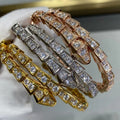
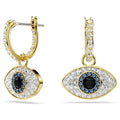
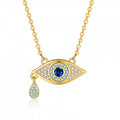
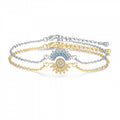
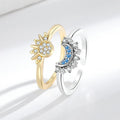
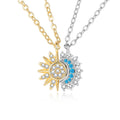


Eight-Point Star Compass Jewelry: Necklace, Bracelet, or Earrings?
Share
Eight-point star compass jewelry is easiest to choose by deciding where you want the motif to appear. Pick the necklace for a centered focal point near the neckline, the bracelet for a detail that moves with the wrist, or the earrings for a face-framing accent in either stud or hoop form. The three LuckCoo pieces share a colorful compass-inspired look, but they do different jobs in an outfit. This guide compares them without assuming that everyone needs a complete matching set.
What Is an Eight-Point Star Compass Motif?
A compass rose is a directional figure rather than one single jewelry symbol with one universal meaning. The Library of Congress defines it as a figure used on a compass, map, nautical chart, or monument to show the cardinal directions—north, east, south, and west—and the intermediate points between them. An eight-point design naturally echoes those principal and intermediate directions.
The motif also has a real cartographic history. The Library of Congress explains that rhumb lines on portolan charts radiated from compass roses and helped mariners plot a heading. Royal Museums Greenwich adds that seafarers used Polaris, the North Star, to determine north and that compasses and charts became standard equipment on ships by the sixteenth century.
That history makes direction, travel, and finding your way reasonable personal associations for modern compass jewelry. It does not make them mandatory meanings. A wearer might choose the design to mark a move, graduation, journey, or new goal—or simply because the geometric star shape works with their style.
The Three LuckCoo Compass Pieces at a Glance
| Piece | Best for | Visual effect | Choice to make |
|---|---|---|---|
| Necklace | A central outfit focal point | Draws attention to the neckline | Finish, inlay color, and motif configuration |
| Bracelet | Wrist movement and stacking | Feels subtle at rest and more visible in motion | Finish, inlay, and single- or multi-motif look |
| Earrings | Framing the face | Can read as compact or more expressive | Stud versus hoop, then finish and inlay |
All three current product records describe gold-plated alloy designs with colorful inlay details and a sparkling center accent. Each listing also tells the wearer to keep the piece dry and avoid water, perfume, lotions, and chemicals. Exact variants and availability can change, so use the current product pages—not another item or an older blog post—as the final specification.
Choose the Necklace for a Centered Focal Point
The necklace is the strongest starting point when you want the compass motif to organize the entire look. The pendant sits near the visual center of an open neckline, so it works especially well with a crewneck T-shirt, V-neck knit, open collar, or simple dress. The current listing gives an adjustable length of 41–50 cm, which provides room to test different placements against a neckline.
Choose a lighter inlay when you want the pendant to blend with cream, white, pale denim, or soft tailoring. A darker or more saturated option creates clearer contrast against a simple top. If you layer it, add one plain chain at a noticeably different length. Two detailed pendants at nearly the same level will compete for the same space.
Explore the current finishes and inlay options on the Eight-Point Star Compass Pendant Necklace page.
Choose the Bracelet for Movement and a Personal View
A bracelet changes the experience of the motif. Other people may see it as your hand moves, but you can also glance down at it yourself. That makes it a natural choice for someone who wants the design to feel personal rather than permanently centered in the outfit.
The adjustable chain lets the wearer control how closely the bracelet sits, while the available single- and multi-compass variants change its visual rhythm. For a clean stack, pair one compass bracelet with one smooth bangle or one fine chain. Leave enough separation for the points and inlay to remain readable. A watch can sit on the opposite wrist, or beside the bracelet with a small gap.
Compare the current single- and multi-motif options on the Eight-Point Star Compass Bracelet page.
Choose the Earrings for a Face-Framing Accent
Earrings place the compass motif closest to the face, so scale and movement matter more than layering. Studs keep the outline compact and are usually the easier choice with workwear, multiple necklaces, or a detailed collar. Hoops introduce more movement and can carry an evening or weekend look with less help from other jewelry.
The current product record includes both stud and hoop styles in multiple finish and inlay combinations. Start with the silhouette, then choose color. That order prevents a favorite finish from pushing you into a shape that does not suit how you actually dress.
See the available silhouettes on the Eight-Point Star Compass Earrings page.
How to Coordinate Two or Three Pieces
- Repeat one element, not every element. Match the finish or the inlay color, then allow the other details to vary.
- Choose one lead piece. A necklace can lead an open neckline, earrings can lead a pulled-back hairstyle, and a bracelet can lead short sleeves.
- Reduce nearby competition. If the earrings are hoops, keep the necklace simple. If the necklace is the focal point, use the compact earring option.
- Check the outfit from normal distance. Jewelry that looks separate in a close-up mirror can merge into one busy area from several feet away.
A coordinated set should feel intentional, not compulsory. Wearing one piece can communicate the motif more clearly than wearing all three, particularly with patterned clothing or decorated necklines.
How to Choose a Gift From the Series
Look at the recipient's habits before choosing the item. A frequent necklace wearer already knows which lengths work with their wardrobe. Someone who types, cooks, or uses their hands all day may prefer earrings or a necklace to wrist jewelry. A person who avoids hoops may get more wear from studs. If you are unsure, study what they repeat most often rather than guessing from a special-occasion outfit.
Then confirm the exact option, current photos, availability, length or fit information, material statement, and care guidance on the relevant product page. The three pieces are related in design, but their variant menus are not identical.
Care Guidance for the Current Series
The current Shopify descriptions for all three pieces say to keep the jewelry dry and avoid contact with water, perfume, lotions, and chemicals. Put the piece on after fragrance or skincare has dried, remove it before showering or swimming, and store it separately to reduce rubbing against other jewelry. These are product-specific directions; do not replace them with care claims from a different LuckCoo item.
Frequently Asked Questions
Does an eight-point compass star have one fixed meaning?
No. Historically, a compass rose shows cardinal and intermediate directions. Direction, travel, and finding your way are understandable personal interpretations in jewelry, but the wearer decides what the motif means to them.
Which compass jewelry piece is most versatile?
The answer depends on your wardrobe. The necklace gives a clear focal point, the bracelet works well with short sleeves and controlled stacks, and the earrings offer a stud-or-hoop decision that can shift the mood more noticeably.
Should all three pieces match exactly?
No. Repeating one finish or one inlay color is usually enough. Let one piece lead and keep the others quieter so the compass shape remains legible.
Is the separate 925 sterling silver compass necklace part of this comparison?
No. This guide covers the three products that share the exact Eight-Point Star Compass series name: the pendant necklace, bracelet, and earrings. The separately named 925 sterling silver compass star necklace has a different product record and specifications.
The Takeaway
Choose the Eight-Point Star Compass necklace for a centered focal point, the bracelet for movement and stacking, or the earrings for a face-framing stud-or-hoop choice. Coordinate by repeating one detail and giving one piece visual priority. Most importantly, treat the compass as a design with genuine navigational history and personal interpretive room—not as a promise with one prescribed meaning.
Historical references: the Library of Congress definition of a compass rose, the Library's guide to portolan charts, and Royal Museums Greenwich's overview of compass navigation.