

Can You Shower With Gold-Plated Jewelry? A Practical Care Guide
Share
The safest answer is to remove gold-plated jewelry before showering. An accidental splash does not automatically mean a piece is ruined, but showering adds contact with water and personal-care products. For LuckCoo plated jewelry, avoid chemicals and minimize water exposure. If a piece gets wet, dry it gently and completely before putting it away.
What Does Gold-Plated Mean?
Gold-plated jewelry has a layer of gold over an underlying material; it is not gold throughout. The US Federal Trade Commission's jewelry guide explains that plating eventually wears away, with wear affected by how the item is used and the coating's thickness. Terms such as gold electroplate, gold filled, and vermeil describe different constructions, not identical products.
A gold-colored appearance alone does not tell you the underlying material or coating thickness. When those details matter to your purchase, ask the seller about the exact item rather than assuming that two similar-looking pieces are made alike.
Quick Care Decisions by Situation
Use this table as a conservative routine for LuckCoo plated pieces, not as a water-resistance test or a guarantee of how long a finish will last.
| Situation | Recommended action | Practical reminder |
|---|---|---|
| Shower or bath | Remove the jewelry first. | Choose a dry storage spot outside the shower area. |
| Accidental splash | Blot gently with a soft, clean cloth. | Let the piece dry fully before storage. |
| Handwashing | Remove rings and bracelets when you can keep them safe. | Use a closed pouch, not the edge of a sink. |
| Pool or hot tub | Leave plated jewelry off. | Pack it away before entering the pool area. |
| Household cleaning | Remove it before handling cleaners. | Put it back on after the task and after drying your hands. |
| Perfume or lotion | Apply products before putting jewelry on. | Let them dry first; do not spray directly onto jewelry. |
The Gemological Institute of America's care guidance explains that chemicals can damage or discolor metals and harm some gem materials. It specifically advises removing fine jewelry before chlorinated pools and household cleaning. Those precautions support keeping chemicals away from plated pieces too.
What to Do If Your Jewelry Gets Wet
- Remove the piece when practical and place it somewhere secure.
- Blot moisture with a soft, clean, lint-free cloth; do not scrub.
- Let it dry completely before putting it into a pouch or box.
- If residue or discoloration remains, check the exact care instructions or ask for advice before trying a cleaner.
Jewelers Mutual's plated-jewelry guide recommends prompt drying with a non-abrasive cloth and avoiding harsh chemicals. An accidental wetting is a reason to dry and check the piece, not a reason to start experimenting with household cleaning mixtures.
Build a Routine You Can Actually Follow
Choose one place where jewelry goes before a shower: a small box in the bedroom, for example. Keep a soft cloth beside it. When you get dressed, put the jewelry on after your personal-care products have dried. A consistent place makes taking it off less of an interruption.
For days away from home, carry a closable pouch in a regular compartment of your bag. Decide where to put a removed bracelet before you reach a public sink. Avoid balancing it beside the drain or wrapping it loosely in a tissue that might be thrown away.
How to Store Plated Jewelry
Once a piece is dry, keep it separate from other jewelry in a pouch or an individual compartment. Jewelers Mutual recommends separate storage to reduce scratches. Do not close damp jewelry inside a pouch, and choose a storage place away from the bathroom's wet surfaces.
Common Follow-Up Questions
Can I use toothpaste, baking soda, or a polishing compound?
Do not improvise with abrasive household products or an unknown polishing compound. Start with a soft, untreated cloth and ask about an item-specific cleaning method if marks remain. More rubbing is not automatically better cleaning.
Does drying restore a worn gold layer?
No. Removing moisture is a care step, not a replacement for missing plating. Because plating can wear away, ask a jeweler or the seller to assess a visibly worn surface before trying to remove what looks like a stain.
Does “everyday jewelry” mean I can leave it on all day?
It can be part of your everyday outfit without being worn through every activity. Keep the same remove-before-water-and-chemicals routine whether you wear a simple chain or a more decorative bracelet.
Choosing a Piece You Enjoy Wearing
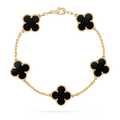
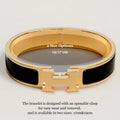
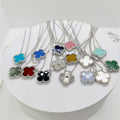
Choose a design for its appearance, then give it a place in your care routine. The LuckCoo Clover Bracelet is one option to explore for a clover motif; our Serpent Aura Bangle styling guide offers a different visual direction. Neither a motif nor a gold-colored finish establishes water resistance.
When browsing the LuckCoo jewelry collection, use the current product information for your selection and ask about anything unclear. The care rule stays simple: avoid chemicals, minimize water exposure, and put the jewelry away dry.