

Minimalist Jewelry Guide: How to Build a Versatile Collection
Share
Minimalist jewelry is defined less by size than by clarity. Each piece should have a clean silhouette, a specific role, and enough restraint to work with multiple outfits. Build a versatile collection by starting with one everyday earring, one neckline piece, one wrist piece, and one ring or accent. Add new jewelry only when it does something your current pieces do not.
What Counts as Minimalist Jewelry?
Minimalist jewelry usually relies on simple lines, controlled color, and intentional details. A piece can still have texture or structure; it does not need to be tiny or plain. A smooth bangle, compact hoop, fine chain, or geometric pendant can all feel minimalist when the design has one clear focal idea.
Scale depends on context. A sculptural cuff can be the only jewelry in an outfit and still look more restrained than five delicate pieces worn together. Vogue's overview of sculptural bangles illustrates how one strong form can carry a simple look.
Build the Collection by Function
An Everyday Earring
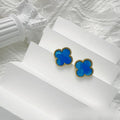
Choose a compact stud or clean hoop that works with your common necklines and hairstyles. Studs are useful with detailed collars and layered necklaces; hoops add more visible movement and can complete a plain top without another statement near the face.
A Neckline Piece
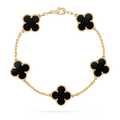
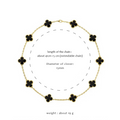
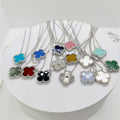
Select either a simple pendant or a repeated-motif chain based on your clothing. Pendants create one central focal point. Multi-motif necklaces spread detail across the neckline. Compare options in the LuckCoo necklace collection, then check whether the length and design work with the collars you actually wear.
A Wrist Anchor
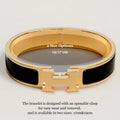
A smooth or geometric bangle gives structure, while a fine chain bracelet adds movement. Choose one first. If you later create a stack, add only a contrasting support so the anchor remains visible. Browse the bracelet collection to compare rigid and fluid silhouettes.
A Small Accent
A ring, colored charm, or symbolic motif can introduce personality without changing the whole collection. It should connect to at least two outfits or another accessory you already own. This keeps the collection useful instead of becoming a group of isolated purchases.
Choose Pieces for Your Real Wardrobe
List the colors and necklines you wear most. Black, white, gray, navy, cream, camel, and denim accept a wide range of finishes. A wardrobe with prints may benefit from smoother jewelry; a wardrobe of solid colors can support one more detailed motif.
Think about clothing hardware, too. You do not need to match every zipper or button, but repeating a finish once can make the outfit coherent. Mixed metals work when each tone appears deliberately and statement pieces remain limited.
A Five-Piece Starting Collection
- One compact everyday earring.
- One simple necklace or pendant.
- One structured bangle or fine bracelet.
- One plain ring.
- One motif or color accent.
This is a framework, not a shopping requirement. If you never wear rings, skip the ring. If your wardrobe revolves around earrings, invest attention there. A small collection is versatile only when it reflects your actual habits.
How to Layer Without Losing the Minimal Look
Use differences in length, shape, or texture. Two necklaces should have enough separation that each line remains clear. A bracelet stack should combine one focal piece with one quieter support. Earrings and necklaces should not compete at the same scale.
Before leaving the house, remove the piece with no distinct role. If two items both demand attention, decide which one leads. The refined wrist stack guide gives practical formulas for bracelets.
How to Evaluate a Product Page
Look for a descriptive title, current option selector, multiple images, clear dimensions where relevant, and care information for the exact piece. Do not assume a gold color proves gold content, or that one plated product shares the performance of another. The US Federal Trade Commission explains why plated, filled, overlaid, washed, and vermeil are different terms.
Avoid “best” lists that rely only on marketing adjectives. A trustworthy guide should explain why a silhouette fits a wardrobe, distinguish visible design from technical specifications, and identify what still needs confirmation.
Care for a Minimal Jewelry Collection
Apply perfume, lotion, sunscreen, and hair products before jewelry. Avoid harsh chemicals and minimize water exposure for plated pieces. Wipe jewelry gently after wear and store items separately so chains, bangles, and decorative surfaces do not rub against one another.
The Gemological Institute of America notes that chemicals can damage or discolor metals and affect some gem materials. Follow the current instructions for each exact product rather than using one routine for every item.
When to Add Another Piece
Add jewelry when you can name its job: a necklace for high necklines, an earring for workwear, a color accent for neutral outfits, or a structured bangle for tailoring. If a new piece duplicates something you rarely wear, it will not make the collection more versatile.
When buying a gift, the same logic applies. Observe the recipient's categories, scale, and colors before choosing. The LuckCoo jewelry gift guide provides a checklist for that decision.
The Takeaway
A useful minimalist jewelry collection is small because every piece has a purpose, not because every design is tiny. Start with your real wardrobe, choose distinct roles, layer through contrast and spacing, verify product information, and care for each item according to its documented construction.