

How to Build a Refined Wrist Stack
Share
A refined wrist stack begins with one focal piece, adds one quieter supporting texture, and leaves some open space. Start with a structured bangle or distinctive motif, pair it with a fine chain or smooth bracelet, and stop before the pieces hide one another. The goal is not to fill the wrist; it is to create a clear visual rhythm of shape, movement, and breathing room.
Start With an Anchor Piece
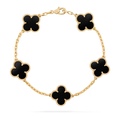
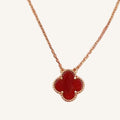
The anchor is the bracelet you want people to notice first. It may be a geometric bangle, a colored clover, a compass motif, or a sculptural snake shape. Put it on alone and decide what it already contributes: structure, color, movement, shine, or symbolism.
Vogue's guide to sculptural bangle bracelets shows how a single cuff or bangle can act as the focal point of an otherwise simple look. The same principle applies to a stack: the strongest piece should lead rather than compete.
Add One Contrasting Texture
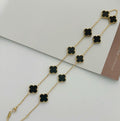
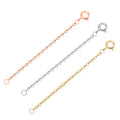
If the anchor is rigid, add a fine chain for movement. If the anchor is a chain bracelet with repeated motifs, add a smooth narrow bangle for structure. Contrast makes each piece easier to see. Two bracelets with nearly identical outlines can merge into one visual block, while different textures create separation.
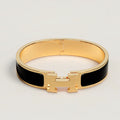
The current LuckCoo selection includes both soft chain-based and structured wrist shapes. A clover bracelet can provide repeated color and movement, while an H-clasp bangle can provide a stronger geometric outline. Check the current product pages for options instead of relying on old specifications.
If you are still choosing the anchor, compare the clover bracelet and H-clasp bangle by shape, color and styling role. Start with the silhouette your outfits are missing, rather than buying two pieces just because they are shown together.
Use Open Space as Part of the Design
Open space lets the eye understand where one bracelet ends and another begins. If charms overlap, clasps disappear, or a central motif keeps turning under another piece, remove one item. A smaller stack often looks more intentional because each shape has a visible role.
Check the stack while your arm is relaxed, not only while arranging it for a photo. Movement changes spacing. If one piece constantly covers the focal detail, change the order or move a bracelet to the other wrist.
Sleeves affect the result as well. A pushed-back shirt cuff creates a defined frame; a fitted knit provides a clean background; an oversized sleeve may hide delicate pieces. Build the stack with the outfit already on so you can see the available space instead of designing the wrist in isolation.
Three Easy Wrist-Stack Formulas
Structured Plus Fluid
Pair one bangle with one fine chain bracelet. This is the simplest formula because the silhouettes are clearly different. Let the bangle lead and keep the chain free of large competing charms.
Motif Plus Smooth Metal
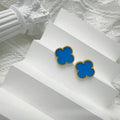
Place a clover, compass, butterfly, or eye motif beside a plain narrow bangle. The smooth surface gives the decorative outline a quiet background. Repeat the motif's color once elsewhere in the outfit.
Statement Piece Worn Alone
A solo bracelet is still a complete wrist stack decision. If the anchor already has strong shape, color, and surface detail, adding nothing may create the most polished result. The Serpent Aura styling guide shows how a sculptural bracelet can lead an outfit without extra wrist pieces.
How to Mix Metals
You do not need to match every metal exactly. Repeat each tone at least once across the outfit so the mix feels deliberate: a silver-tone bracelet can connect with earrings, while a gold-tone bangle connects with a bag detail or ring. Keep the number of statement shapes limited while mixing colors.
If mixed metals feel busy, use clothing as a neutral buffer. Black, white, navy, gray, cream, and denim give different finishes a common background. A simple sleeve also makes spacing easier to see.
How to Stack With a Watch
The easiest option is to wear the bracelet stack on the opposite wrist. If you prefer one wrist, place one slim bracelet beside the watch and keep decorative pieces away from prominent watch hardware. Avoid forcing rigid pieces together or allowing a charm to remain trapped beneath the watch edge.
Let the watch be the anchor if it has a bold face or bracelet-style band. If the watch is visually quiet, one motif bracelet can lead. The same one-focal-point rule still applies.
A Wrist-Stack Check Before Buying Another Piece
- Use your usual sleeve. Choose a shirt, knit or jacket you actually plan to wear. Decide whether the jewelry will sit below the cuff or on an exposed wrist.
- Choose one job for the new piece. Add a smooth outline beside a detailed motif, or a finer chain beside a rigid bangle. If it repeats the same shape and hides the anchor, it may not add anything.
- Check each product separately. Compare the selected size, opening and closure. An adjustable chain and a hinged bangle do not use the same fit check.
- Try ordinary movement. With pieces you already own, relax your hand, bend your wrist and reach for a sleeve. Repeated catching, pressure or hidden clasps are reasons to simplify the stack, not to force the pieces together.
If you cannot confirm the fit of a second bracelet, wear the anchor alone until you have the missing measurement. A styling formula is not a substitute for product-specific sizing.
Care and Practical Checks
Stacking increases contact between pieces, so store bracelets separately when you are not wearing them. Put jewelry on after perfume and lotion have dried, avoid harsh chemicals, minimize water exposure, and wipe pieces gently after wear. Do not assume different products share the same material or care requirements.
Before combining rigid bracelets, verify each product's current size or fit information. Do not force a bangle into a position or rely on a photograph to determine fit. Browse the LuckCoo bracelet collection to compare shapes, then check the exact product selector.
The Takeaway
Choose one anchor, add one contrasting texture, and use open space. Build the stack around shape and movement rather than the number of pieces. When the focal bracelet already does enough, wear it alone.